About Book
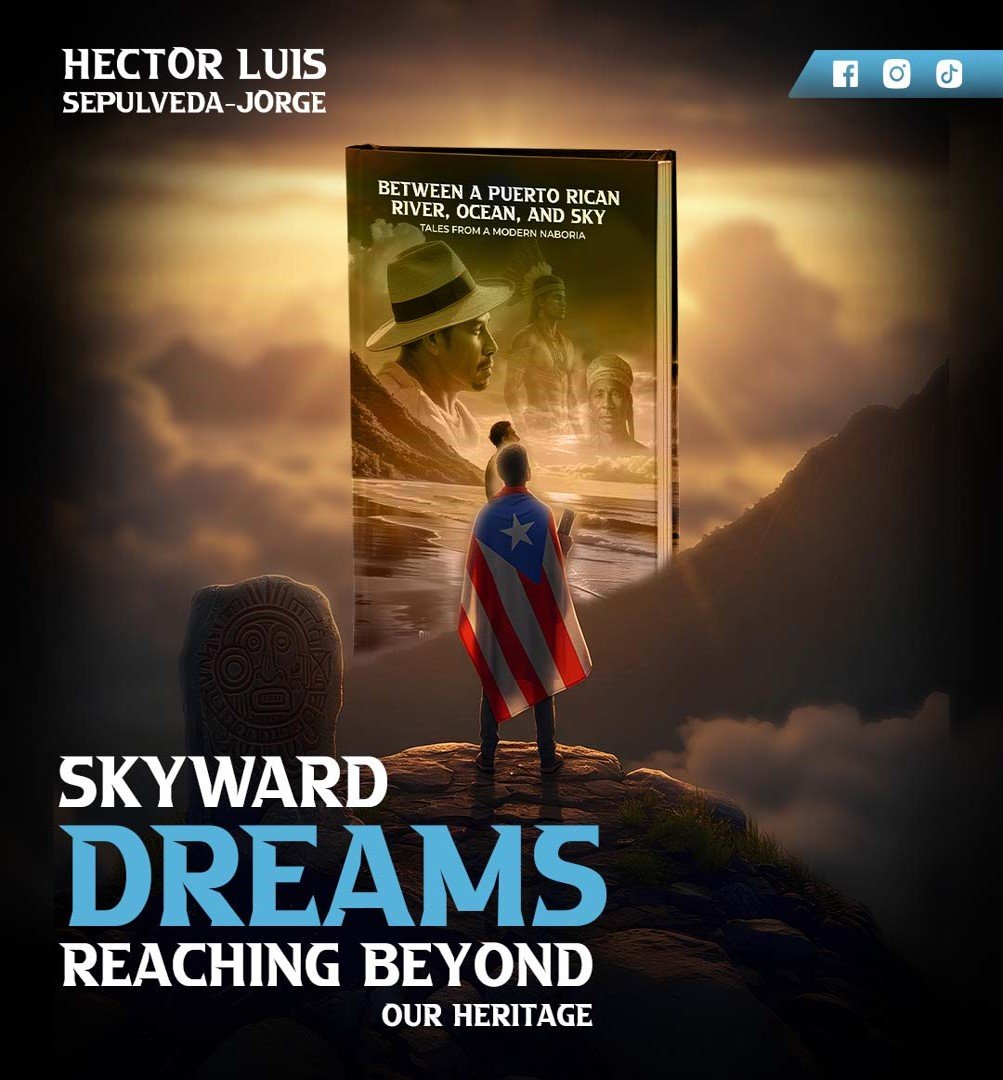
This book is a personal memoir that intertwines my family history with Puerto Rican cultural identity and heritage. It is a series of vignettes organized into the metaphors of a river or personal experiences, ocean or collective experiences of humanity, and sky or spiritual/cosmological dimension.
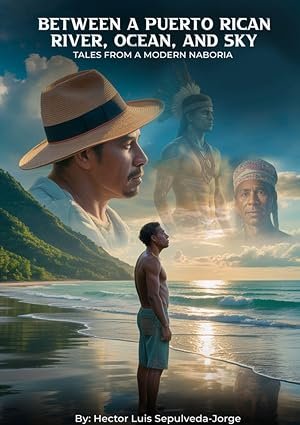
Between a Puerto Rican River, Ocean, and Sky Tales from a Modern Naboria
A personal memoir that intertwines family history with cultural reflections, focusing on Puerto Rican heritage. I introduce the metaphor of a river , ocean, and sky as the structure of the narrative.
The river symbolizes my life story, the ocean reflects the collective experiences of humanity, and the sky embodies the spiritual and scientific dimensions of existence.
The memoir serves as a testament to the interconnectedness of individual lives and the collective human experience, urging readers to reflect on their own histories and legacies they wish to leave behind
The River
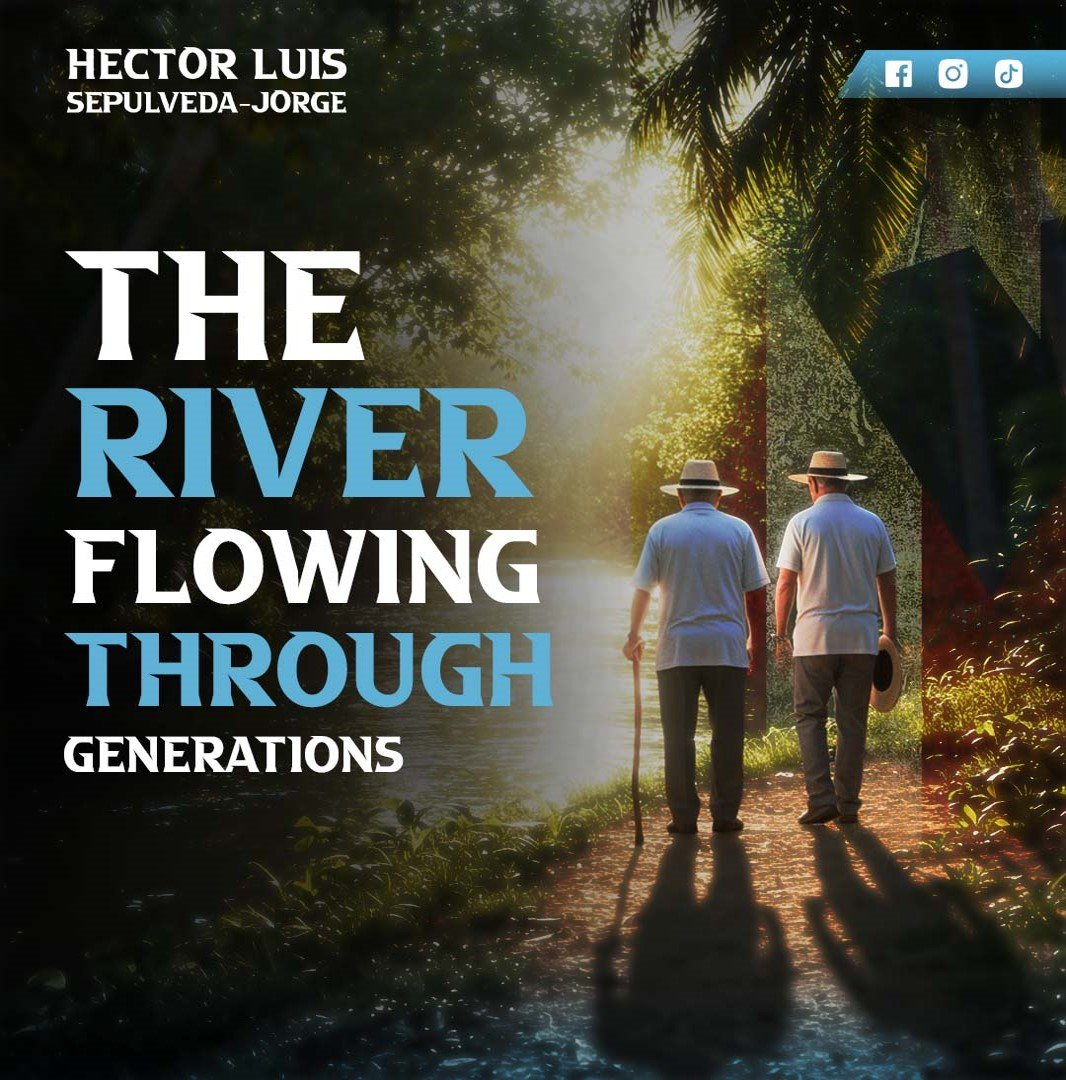
The river is the equivalence of life passing through time like sand falling in an hourglass. The river of life encounters impediments and blockages that may last a lifetime or break away in a flood, and just like the river that encounters rocks and falls on its journey, I have faced the rocks and falls and challenges of life, the bumps on the road, and the tempests brought by events that I could not control.
And like a river, after flowing through thick and thin with impediments and blockages of a lifetime, it encounters the sea.
My personal river is a story of my family history and generations over thousands of years and significant events of my life. From Kings and Queens to slaves and Indians. It addresses my early years growing up in Puerto Rico in the 1950 and early 1960s. Then moving to and living in New York City in the 1960s and 1970s.
The Ocean
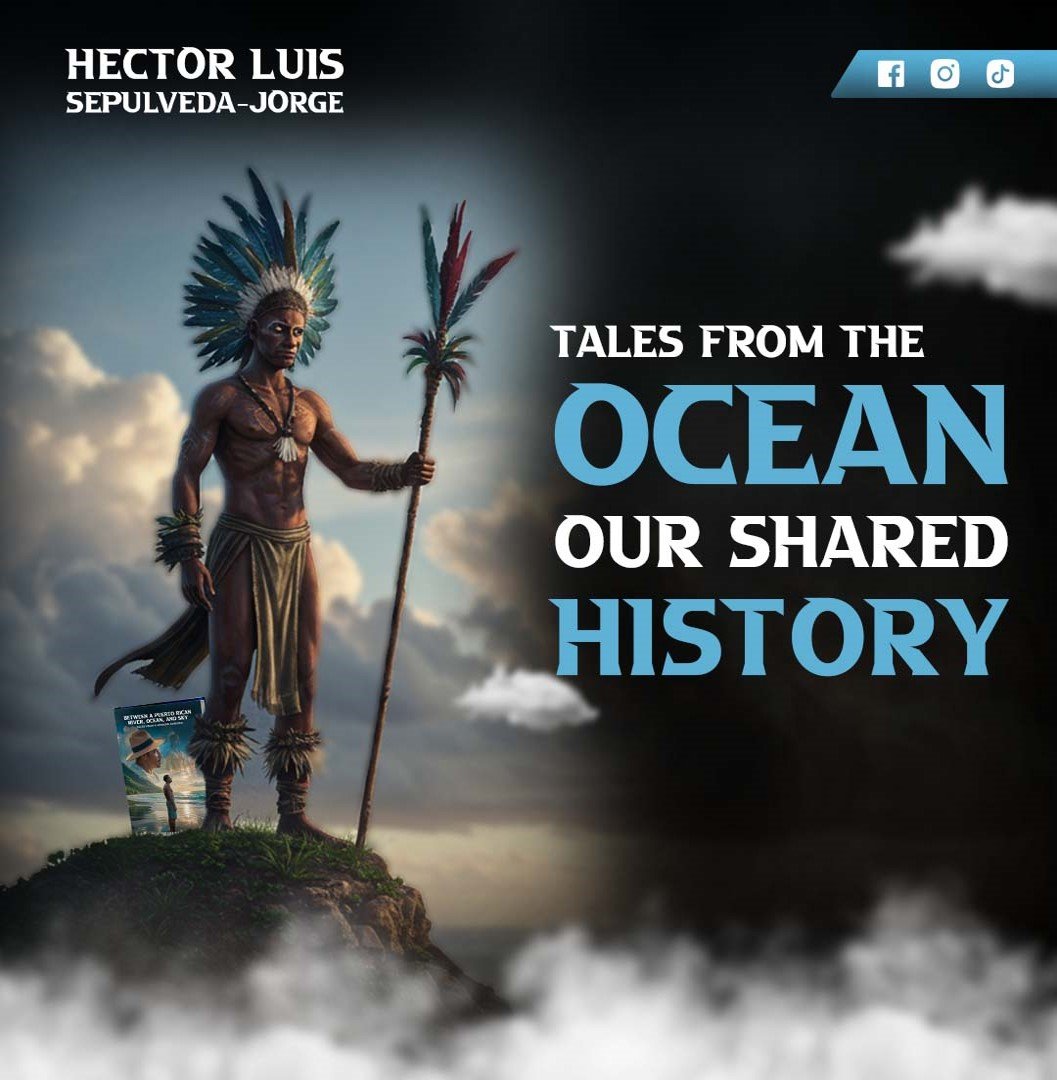
The Ocean is the culmination and ending of many rivers. By my accord, the oceans is overflowing with universal lessons from the innumerable rivers that have flowed into it. It represents the sum of all human experiences and knowledge.
I wrote about many life lessons:
- cultural awareness of Spanish, Yoruba, and Taino diaspora
- slavery and my slave great-grandparents
- Afro-Puerto Rican music with emphasis on the Plena genre
- periodic generational cultures
- senselessness of an infinite war concept
- the standard of professionalism in the workplace,
- and an understanding of Puerto Rican inter-cultural dialogue to improve communications and human relations.
The Sky
The Sky is the dimension of spirituality, the incomprehensible vastness of the universe, and home of time/space eternal. This dimension is nebulous in concept and logic. Cosmology and religion cannot fully define all the universe’s attributes; with all the knowledge we have attained, there are abysmal gaps as we try to define the composition of the heavens.
The universe is immense and apparently endless, and I question how something so complex and vast doesn’t have the capacity ability to look and appreciate itself. Yet little me, a microbe of nothingness in this huge vastness, a micro-flash within periods of billions of years… hold the universe’s consciousness and its self-awareness. Millions of people and I can look up and appreciate the mystery and the beauty of the universe. It’s like if God set me aside and make me look at his wonder.
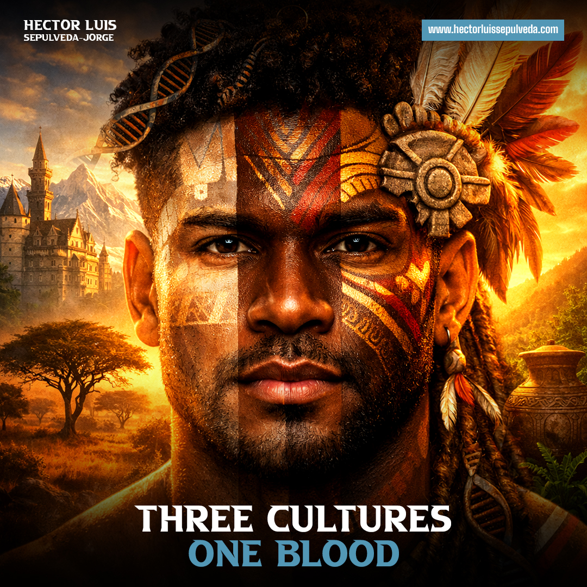
Puertorican culture is a synthesis of three major ethnicities
About 20,000 years ago, humans from Asia migrated to the American Continent. Events of the XV century connected the humans from the once isolated Americas to people of the European continent.
Initially, only men traveled to the Americas, Spanish men outnumbered women 17:1. Spanish men had no choice but to interbreed with the local indigenous population. By the year 1514, or about a decade after Columbo’s encounter with a new race, it was noted that 40% of the Spanish men had married Taíno wives. The Catholic Church allowed mixed marriages provided the Indians were baptized and accepted Spanish ways and customs. The English Protestant ethic, in contrast, considered the natives as savages and discouraged inter-breeding. The resultant was a new breed of “mestizos” or individuals with both Spanish and Taino blood.
Due to worker shortages, in the year 1517. the Spanish crown permitted an importation 12 African slaves per Spanish person. The permissive inter-breeding, geographic isolation, and emancipation of slaves, facilitated how three cultures became one blood.
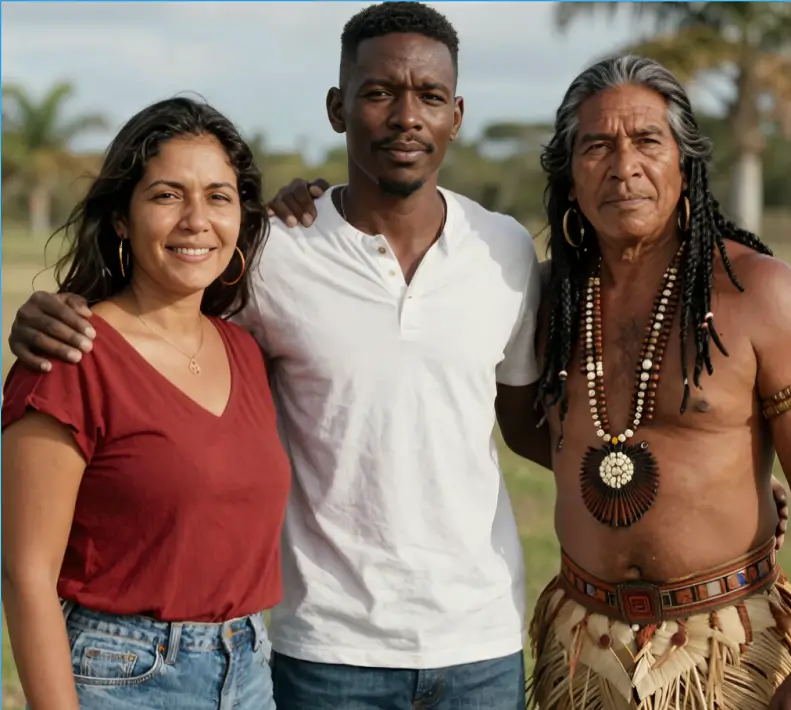
My DNA and my family roots are made up of Spanish, African, and Caribbean Taino traces. My Spanish roots can be traced directly to the Iberian peninsula and these traveled to the island of Puerto Rico in the XVI century. My African roots can be traced through Yoruba slaves that arrived the Caribbean in the middle of the XIX century. My Taino roots came from Indians who had escaped the wrath of the Spanish oppressor at the interior mountains of Puerto Rico.
The Spaniards
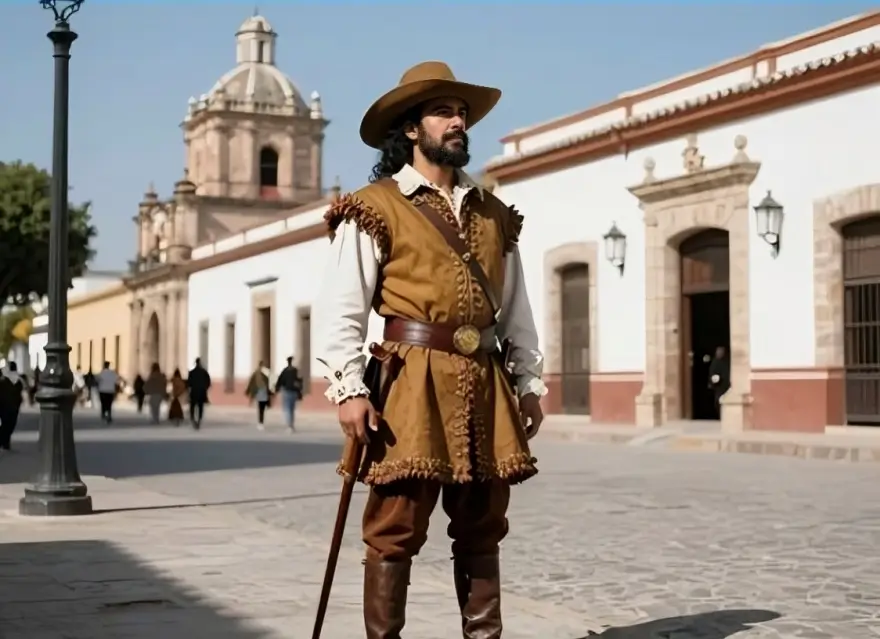
Recent gene studies have identified that the average Puerto Rican’s genes are 64% from European ancestors, mostly from the Iberian peninsula. The Romans ruled Hispania from before the turn of the millennia and lasted until the collapse of the empire in 476 AD.
The Visigoths were the dominant rulers after the fall of the Western Roman Empire. The Visigoths led the Christian religious transformation of Iberia.
The Moors started their rule of the Iberian Peninsula in the year 711 and changed the name of the land to Al-Andalus. The Moors were Muslims who ruled most of the Iberian Peninsula for a period of 700 years. The “Reconquista” was the Christian re-conquest of the Iberian peninsula which ended Muslim rule in 1492.
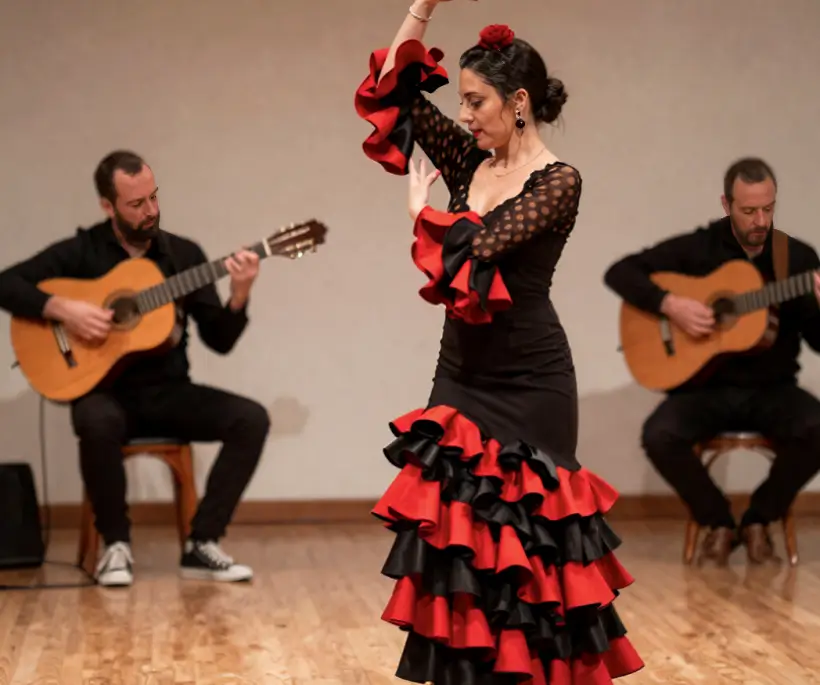
The Muslims left a legacy and a systems that were more advanced both in content and numbers ahead of the rest of the European continent. They valued education by building close to 20 universities and more than 70 libraries. They also added new dimensions to music including the kithara or guitar. Spanish music has an added northern Africa overtones into what is now Flamenco music. Other significant legacies left was introduction of Arabic numbers (1,2,3, 4, etc.) and their replaced Roman numbers (I, II, III, IV, etc.), the concept of zero, new agricultural practices, and progress in astronomy, chemistry, and philosophy. They were the originators of beautiful architecture and masterpieces like “The Alhambra” in Granada.
The Africans
Roughly 20% of my genes came from Africa; of these 8% is from the present nations of Nigeria, Benin, and Togo, and regions west of the Niger river known as Yorubaland. This part of Africa was also known by another infamous name…the Slave Coast.
The Oyo empire , which was a strong Yoruba state, ruled the region with a strong cavalry, strong interaction with the trans-saharan trade route, and major urban developments. During the 1600s the Oyo empire was weakened by political strife and civil war, which opened the roots of slavery over the area.
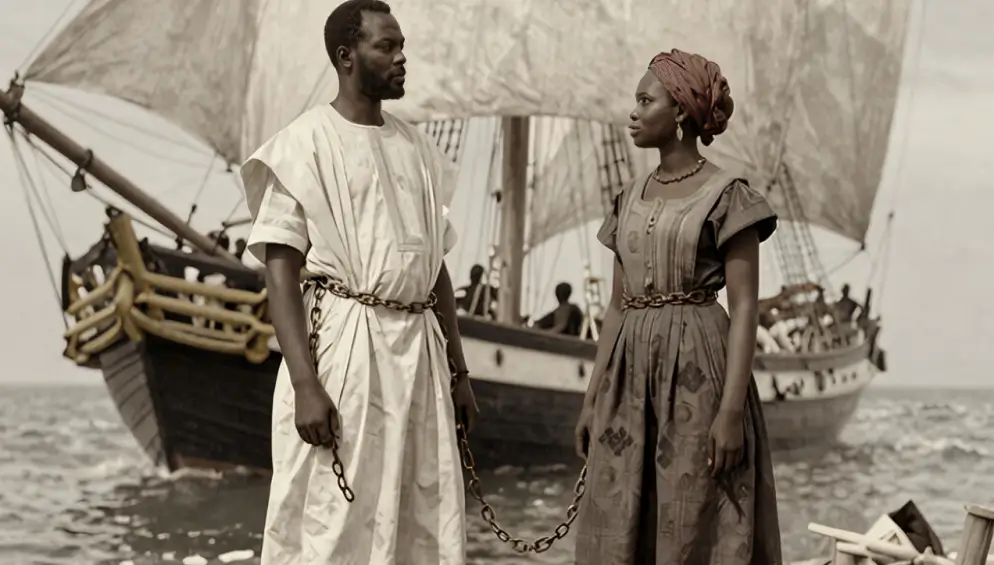
The Trans-Atlantic slave trade forced an exodus of an estimated 12 million Africans over a period of 400 years…over 1.5 million lost their life in transit. The Yorubas were almost 70% of all slaves.
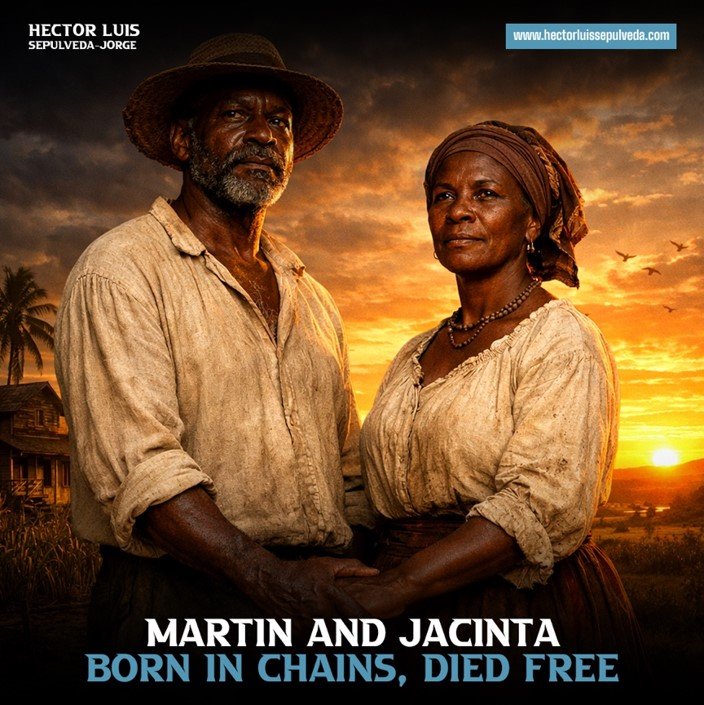
Both 2nd Great-Grandparents were born in Curacao in the 1820s. Curacao was the major hub for slave distribution in the Caribbean. These second-generation Yoruba Africans arrived Hacienda Acacia in Hormigueros, Puerto Rico in the 1860s.
Their name appears in the Central Slave Registry, 4th district San German, Puerto Rico as Martin and Jacinta Cabassa. Their owner was Antonio Cabasa y Tassara.
The Spanish National Assembly abolished slavery in Puerto Rico on 22 March 1873, freeing 31,635 slaves. However, the freed slaves were required to work an additional three years; slavery lasted until March 1876. Martin, Jacinta, and their four sons lived and died free!
The Taínos
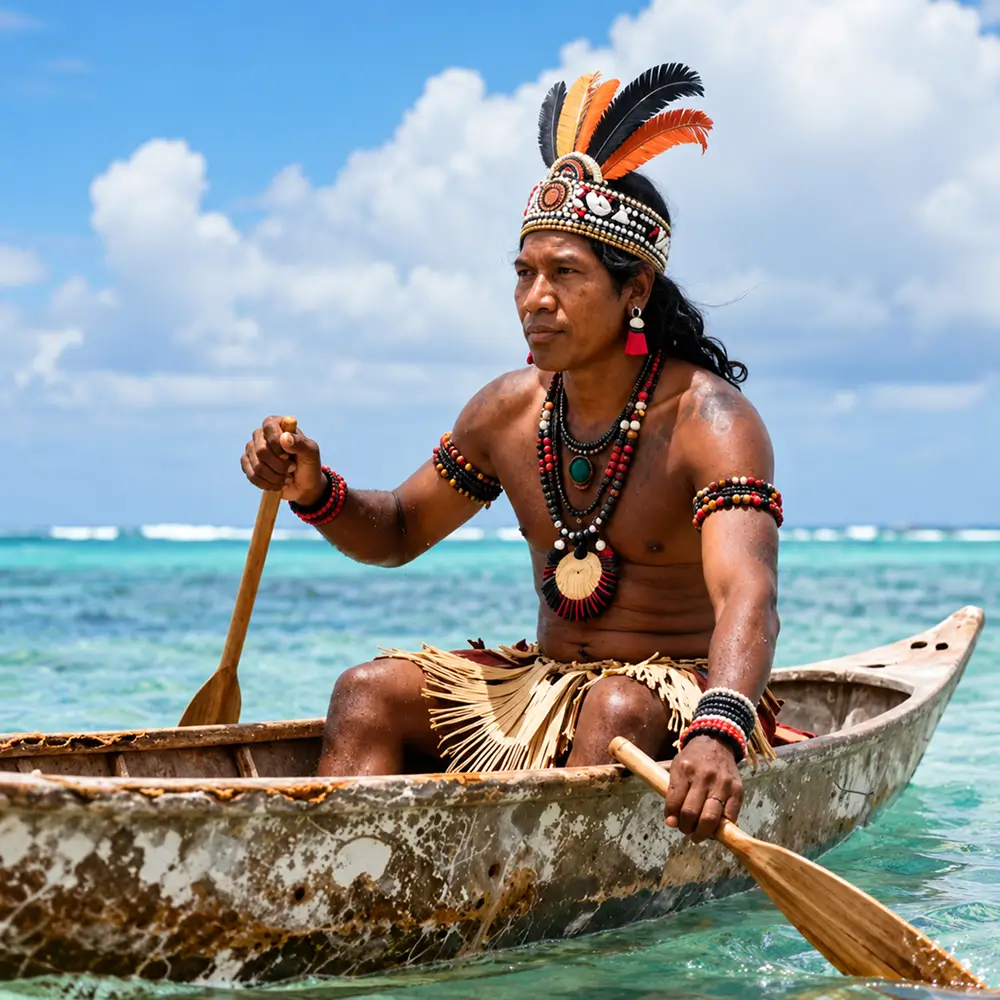
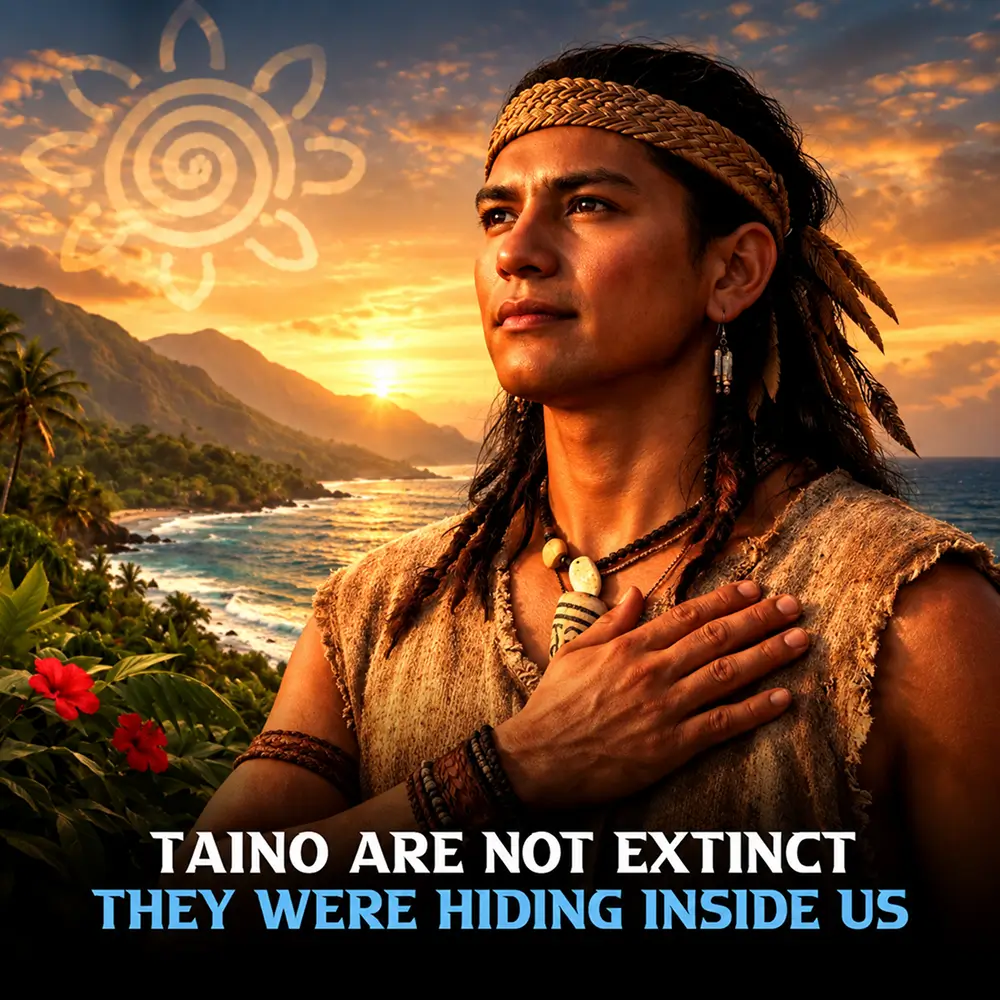
Before the arrival of Columbus’ Spanish entourage to the Caribbean and “First Contact” on his first voyage in 1492, there was an undiscovered Island paradise called “Borikén.” There were about 30,000 natives living in 20-30 “yucayeques”or villages throughout Borikén. “Taíno” villages were governed by a “Cacique”, with one to two thousand people and twenty to fifty “bohíos.” They usually slept on hammocks or wooden beds. All were naked except married women who wore a “nagua” or short skirt. Women and men painted themselves; red was the favorite color.
They farmed their cassava, corn, peanuts, yams, and other plants on a mound in an open field called a “conucos.” The preferred mode of travel was on a “canoa” or canoes; some could hold 150 people and used for traveling throughout the Caribbean islands.
They had a sweet-talking voice that were always accompanied with a smile. The “Taíno” name may have derived when the Spaniards met the Indians, they shouted out “tayno, tayno” or to say they were “good people” in contrast to their nemesis and mortal enemies, the Carib Indians.
The Taíno culture had three classes. The first is the Nitaino or upper class; the Cacique belongs to Nitaino class. The second is the Naboria class or commoner. The Bohique is a third class and is a special category of tribe member. This is the “Shaman” or “Holyman” who communicates with the Gods in trances and attends to sick.
The Taínos natives began to die off when they got diseases their immune system could not fight, when they were enslaved and forced to hard labor, when they rebelled against Spanish oppression and were killed in battle, when their food supply and farming ways were cut short, when their community was disestablished and families were ripped apart, and when they were assimilated into the Spanish culture. Years later, they stopped counting them in census and other administrative processes.
I was enthusiastic, surprised, and a bit angry when I found out 14.3% of my genes come from Native American ancestry, because it made me realize how much of this history was overlooked and how deeply connected I am to the resilience and legacy of the Taíno people.
Puerto Ricans
The Puerto Rican culture has its blood roots at the Iberian Peninsula, the Slave Coast of Africa, and in the island of Borikén; moreover, it is still evolving. The blood Triad begins with the Iberian Visigoths and Northern Africa Muslims, the Yoruba people who were enslaved, and the Taino Indians who were thought to be extinct.
Puerto Ricans are the 3rd most beautiful grouping of people in the world…5 Miss Universe titles and 26 contestants in the finals. Other key Puerto Ricans are Roberto Clemente immortalized in baseball lore, Oscar Award winners like Rita Moreno in “West Side Story” and Benicia del Toro in “Traffic”, Supreme Court Justice Sonia Sotomayor; and multi-Grammy award and Artist of the year like Benito Antonio “Bad Bunny” Martínez Ocasio.
Puerto Ricans are a high context/polychronic culture. Their Para-language is opulent and intrinsic. There appears to be disorder and chaos as everything gets done at the same time ―a loose definition of “polychronic.” “Poly” from “many” and “chronic” from “Chronos” and related to a clock. It is another version of “multi-tasked.” The non-verbal message is rich with twitches and gestures; the message comes with strong and loud words and a plethora of silent signs and symbols. A puckered lip with an upward nod is used to point.
Puerto Rican music encompasses a large and rich variety of native genres. These range from salsa, bomba, plena, Danzas, and reggaeton which are being played throughout the world.